

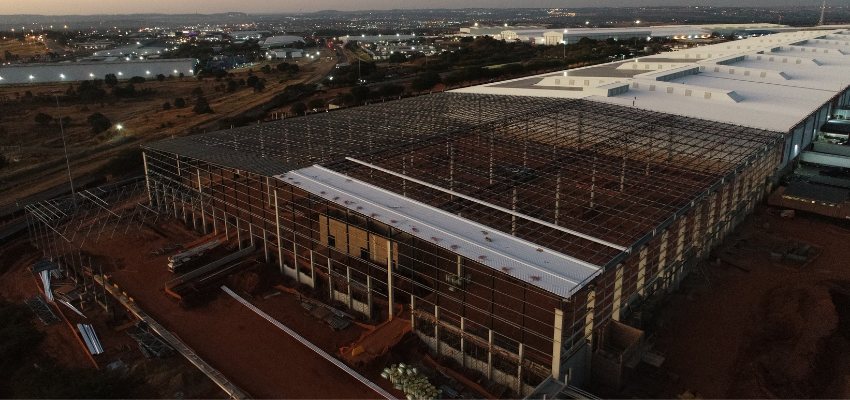
Steel fabrication is a critical component of construction and manufacturing, involving the creation of structures and components from raw steel materials. Understanding the different materials used in steel fabrication is essential for selecting the right type for specific projects, ensuring durability, functionality, and cost-effectiveness. In this article, we'll explore the various materials involved in steel fabrication and their applications.
1. Carbon Steel
Carbon steel is the most common type of steel used in fabrication. It is classified based on the amount of carbon it contains, which affects its strength and flexibility. There are three main types of carbon steel:
- Low Carbon Steel (Mild Steel): Contains up to 0.3% carbon. It is easy to shape and weld, making it ideal for applications like structural beams, automotive components, and pipelines.
- Medium Carbon Steel: Contains 0.3% to 0.6% carbon. It offers a good balance of strength and ductility, used for parts that require wear resistance, like gears and shafts.
- High Carbon Steel: Contains 0.6% to 1.0% carbon. It is very strong and hard but less ductile, often used in cutting tools and high-strength wires.
2. Alloy Steel
Alloy steel is made by adding elements such as chromium, nickel, or molybdenum to carbon steel to enhance its properties. The specific alloying elements used determine the steel's characteristics:
- Chromium Steel: Adds resistance to corrosion and wear. Commonly used in manufacturing tools and automotive parts.
- Nickel Steel: Improves toughness and impact resistance. It is used in gears, crankshafts, and high-pressure containers.
- Molybdenum Steel: Enhances strength and resistance to high temperatures. Used in the production of boilers and pressure vessels.
3. Stainless Steel
Stainless steel is known for its high resistance to corrosion and staining. It contains at least 10.5% chromium, which forms a protective layer on the steel's surface. There are several types of stainless steel:
- Austenitic Stainless Steel: Contains chromium and nickel. It is non-magnetic and has excellent corrosion resistance, making it suitable for kitchen appliances, medical instruments, and chemical processing equipment.
- Ferritic Stainless Steel: Contains chromium but little to no nickel. It is magnetic and offers moderate corrosion resistance. It is used in automotive exhaust systems and industrial equipment.
- Martensitic Stainless Steel: Contains higher levels of carbon. It is magnetic and can be hardened by heat treatment. It is used in knives, turbine blades, and surgical instruments.
4. Tool Steel
Tool steel is designed for manufacturing tools and dies. It is known for its hardness, resistance to abrasion, and ability to hold a sharp edge. Tool steels are classified into several groups based on their properties and applications:
- High-Speed Steel (HSS): Used for cutting tools that operate at high speeds. It maintains hardness even at elevated temperatures.
- Cold Work Tool Steel: Used for tools that cut at room temperature. It has high wear resistance and toughness.
- Hot Work Tool Steel: Designed for tools that operate at high temperatures. It maintains its hardness and strength in hot environments.
5. Structural Steel
Structural steel is used in construction for building frameworks and support structures. It is designed to bear loads and withstand stress. Common types of structural steel include:
- I-Beams: Also known as H-beams or W-beams, these are used in construction for their strength and ability to support heavy loads.
- Channels: Used in framing and supports, they offer versatility and strength.
- Angles: Often used for brackets and structural support, they are L-shaped and provide strength in both directions.
6. Specialty Steels
Specialty steels are engineered for specific applications that require unique properties. Examples include:
- High-Strength Low-Alloy (HSLA) Steel: Offers high strength with improved weldability and toughness. Used in bridges and structural components.
- Weathering Steel: Contains elements that improve its resistance to atmospheric corrosion. It is used in outdoor structures where a rusted appearance is acceptable, such as sculptures and bridges.
Conclusion
Steel fabrication involves a diverse range of materials, each with unique properties suited to different applications. From carbon and alloy steels to specialty types like stainless and tool steels, understanding these materials helps ensure the selection of the right steel for your project's needs. Whether constructing a building, manufacturing tools, or developing high-performance equipment, the choice of steel material can significantly impact the performance and longevity of the final product. By leveraging the appropriate type of steel, you can achieve optimal results in your fabrication endeavors.
If you’re interested in our welding and steel construction solutions, or if you want to discuss your next project, don't hesitate to contact us.
Or visit our services page to discover how we can help you meet your construction objectives.