

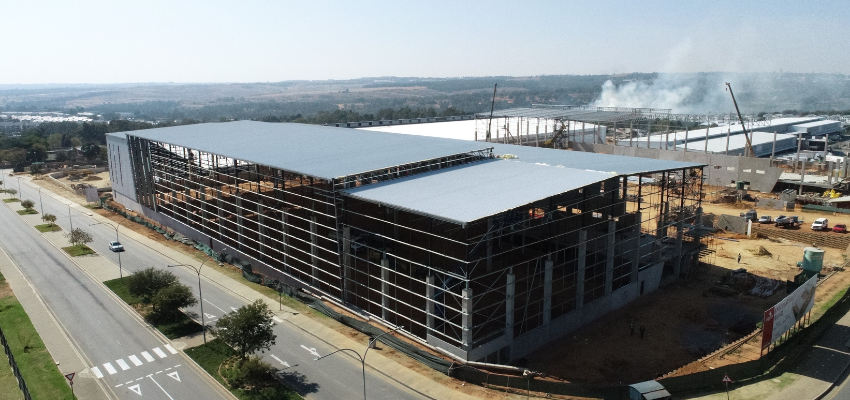
Step 1: Design and Planning
The first step in steel fabrication is meticulous planning and design. This phase involves creating detailed blueprints and technical drawings using advanced software like CAD (Computer-Aided Design). Precise measurements and specifications are crucial to ensure the final product meets the required standards and fits perfectly into its intended application.
Engineers and designers work closely with clients to understand their needs and incorporate specific features and functionalities into the design.
Step 2: Material Selection
Choosing the right type of steel is vital for the success of the fabrication process. Steel comes in various grades and forms, each suited for different applications. Factors such as strength, durability, and resistance to corrosion are considered when selecting the appropriate material.
For instance, stainless steel is often chosen for its corrosion-resistant properties, while carbon steel is favoured for its strength and affordability. The material selection phase ensures that the fabricated product will perform optimally in its intended environment.
Step 3: Cutting and Shaping
Once the design is finalised and materials are selected, the next step is cutting and shaping the steel. Modern fabrication shops use advanced machinery like CNC (Computer Numerical Control) machines, laser cutters, and plasma torches to cut steel with high precision.
These tools enable fabricators to achieve intricate shapes and sizes as specified in the design plans. Accuracy during this stage is critical to ensure that the pieces fit together perfectly in the later stages of assembly.
Step 4: Welding and Assembly
Welding is a key process in steel fabrication, where individual steel components are joined together to form a unified structure. Skilled welders use various techniques, including MIG (Metal Inert Gas), TIG (Tungsten Inert Gas), and arc welding, to ensure strong and durable welds.
The assembly phase involves fitting and aligning the cut pieces, followed by welding them into place. Proper welding techniques and quality control measures are essential to prevent structural weaknesses and ensure the final product's integrity.
Step 5: Surface Treatment and Finishing
After welding and assembly, the steel structure undergoes surface treatment and finishing processes. This step enhances the appearance and durability of the fabricated product.
Common treatments include sandblasting, painting, powder coating, and galvanising. These treatments protect the steel from corrosion, wear, and environmental factors, ensuring a longer lifespan for the finished product. Additionally, finishing processes can provide an aesthetic appeal, making the steel structure visually appealing.
Step 6: Quality Control and Inspection
Quality control is a critical aspect of the steel fabrication process. Rigorous inspections and tests are conducted to ensure that the fabricated product meets industry standards and client specifications.
Non-destructive testing methods, such as ultrasonic testing and X-ray inspection, are used to detect any internal defects or weaknesses in the welds and joints. Quality control measures help identify and rectify any issues before the product is delivered to the client, ensuring a high level of reliability and safety.
Step 7: Delivery and Installation
The final step in the steel fabrication process is the delivery and installation of the finished product. Logistics and transportation are carefully planned to ensure that the steel components arrive at the installation site safely and on time. Experienced installation teams assemble the fabricated structures, ensuring proper alignment and secure connections.
This phase often involves working closely with other construction professionals to integrate the steel components seamlessly into the overall project.
Our Conclusion
Steel fabrication is a multifaceted process that requires meticulous planning, precise execution, and stringent quality control. By understanding each step, from design to delivery, you can appreciate the complexity and craftsmanship involved in transforming raw steel into functional and durable structures.
For expert advice and guidance on all your steel needs, contact us at RSB.
Our team is ready to assist you with everything from steel fabrication to manufacturing, ensuring top-quality solutions tailored to your specific requirements. Reach out today to get started on your next project!