

Personal Protective Equipment (PPE)
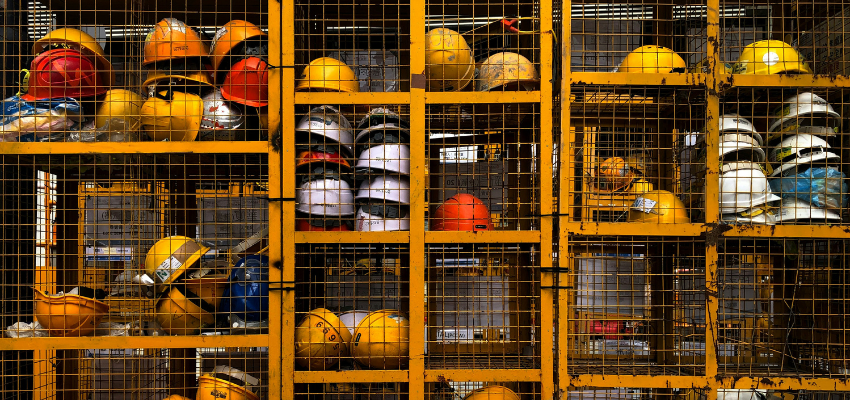
PPE is the cornerstone of safety in steel construction. Workers should always be equipped with essential protective gear to minimise the risk of injuries. This includes
- Hard Hats: Protects the head from falling objects and impacts.
- Steel-Toed Boots: Shields feet from heavy materials and sharp objects.
- Gloves: Essential for handling steel and preventing cuts and abrasions.
- Safety Glasses: Protects eyes from debris and sparks.
- Hearing Protection: Reduces exposure to harmful noise levels.
Regular checks and maintenance of PPE are crucial to ensure its effectiveness. Workers should be trained on proper use and maintenance of their gear to avoid malfunctions and accidents
Fall Protection
Falls are a leading cause of injury in construction. To prevent falls, implement comprehensive fall protection strategies:
- Guardrails and Safety Nets: Install around elevated work areas to catch falls.
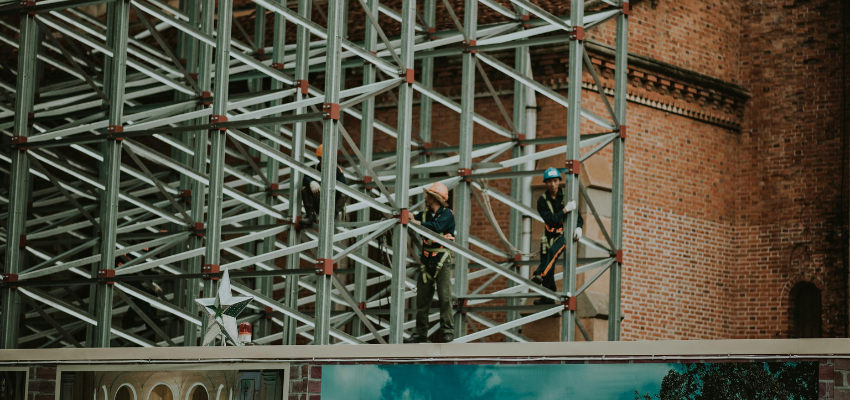
- Personal Fall Arrest Systems: Include harnesses and lanyards that secure workers to fixed points.
- Training: Ensure all workers are trained in fall protection techniques and use equipment correctly.
- Regular inspections of fall protection systems and equipment are necessary to ensure their integrity and reliability
Emergency Preparedness
Being prepared for emergencies can save lives and reduce injury severity. Develop and practise emergency response plans that include:
- First Aid Training: Ensure workers are trained in basic first aid and CPR.
- Emergency Contact Information: Clearly display emergency contacts and procedures at the site.
- Evacuation Plans: Establish and rehearse evacuation routes and procedures for various emergencies.
- Regular drills and updates to the emergency plan help ensure all workers know what to do in a crisis.
Safe Lifting Practices
Proper lifting techniques prevent injuries and ensure efficient material handling. Key practices include
- Team Lifting: For heavy or awkward loads, always use team lifting to distribute weight and prevent strain.
- Proper Equipment: Use cranes and hoists for lifting heavy steel components rather than manual lifting.
- Training: Provide training on correct lifting techniques to avoid back and shoulder injuries.
Fire Safety
Fire hazards in steel construction require proactive measures. Implement the following fire safety practices
- Fire Extinguishers: Place extinguishers in accessible locations and ensure they are regularly checked.
- Fire Watch: Assign personnel to monitor for potential fire hazards during and after hot work operations.
- Fire Drills: Conduct regular fire drills to ensure workers are prepared for a fire emergency.
Regular Safety Training
Continuous safety training keeps workers informed and compliant with best practices. Key components include
- Inductions: Provide safety inductions for new workers to familiarise them with site-specific hazards and procedures.
- Ongoing Training: Offer regular updates on safety practices, new regulations, and equipment usage.
- Feedback Mechanisms: Encourage workers to report safety concerns and suggest improvements.
Safe Work Environment
Maintaining a safe and organised worksite reduces the risk of accidents. Consider these practices
- Site Cleanliness: Keep the worksite tidy to prevent tripping hazards and ensure safe movement.
- Equipment Maintenance: Regularly inspect and maintain tools and machinery to prevent malfunctions.
- Clear Communication: Use clear and consistent communication to ensure all workers are aware of ongoing activities and potential hazards.
Our Conclusion
Safety in steel construction is achieved through a combination of protective equipment, proper practices, and ongoing training. By adhering to these top safety practices, you can create a safer work environment, protect workers, and ensure the smooth progress of your construction project.
Remember, a proactive approach to safety not only safeguards lives but also contributes to the overall success of the project.
To find out more about our fabrication and steel construction services or to discuss how we can assist you with your project, reach out to us.
Or take a look at our services page for a detailed overview of how we can help you reach your construction goals.