

Steel construction has become synonymous with modern architecture, representing both technological advancement and aesthetic innovation. As one of the most widely used materials in the construction industry, steel offers a unique combination of strength, versatility, and sustainability, making it the ideal choice for contemporary building projects.
This article explores why steel construction is indispensable in modern architecture, drawing on the latest trends and industry insights.
1. Unmatched Strength and Durability
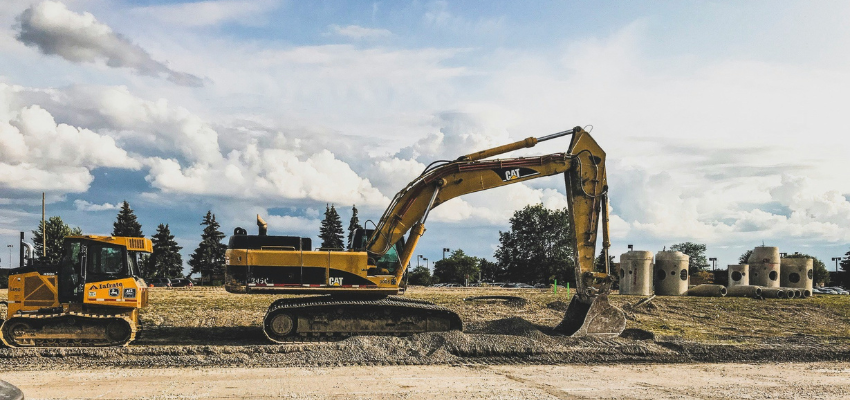
Steel is celebrated for its exceptional strength-to-weight ratio, making it an ideal material for structures that require both durability and minimal bulk. Unlike other construction materials, steel can support significant loads without requiring large, cumbersome support structures. This characteristic is particularly advantageous in modern architecture, where open spaces and minimalistic designs are highly valued. For instance, the ability to create large, column-free spaces is a hallmark of contemporary architecture, and steel makes this possible.
In addition to its strength, steel is remarkably durable, capable of withstanding harsh weather conditions and seismic activity. This durability ensures that steel structures have a longer lifespan compared to those made from other materials, reducing the need for frequent repairs or replacements. As a result, steel construction is not only cost-effective in the long term but also aligns with the principles of sustainable building practices.
2. Design Versatility
The versatility of steel in construction is unparalleled. Architects appreciate steel for its ability to be moulded into various shapes and forms, allowing for creativity and innovation in design. Whether it's the creation of sweeping curves, sharp angles, or intricate details, steel provides the flexibility needed to bring imaginative architectural concepts to life. This flexibility is why steel is often the material of choice for iconic modern buildings, such as skyscrapers and bridges.
Moreover, steel can be combined with other materials, such as glass and concrete, to create aesthetically pleasing and structurally sound buildings. This adaptability makes steel an indispensable material in modern architecture, where the integration of different materials is often used to achieve unique and eye-catching designs.
3. Sustainability and Environmental Benefits
In today's construction industry, sustainability is more important than ever. Steel is one of the most sustainable materials available, as it is highly recyclable. In fact, steel is the most recycled material on the planet, with virtually all steel products being recyclable at the end of their lifecycle. This recyclability reduces the environmental impact of steel construction, making it a key component of green building practices.
Furthermore, steel's durability contributes to its sustainability. Buildings constructed with steel are less likely to require extensive repairs or replacements, which in turn reduces the consumption of resources and energy over the building's lifespan. Additionally, steel structures can be designed to be more energy-efficient, further contributing to their environmental benefits.
4. Efficiency in Construction
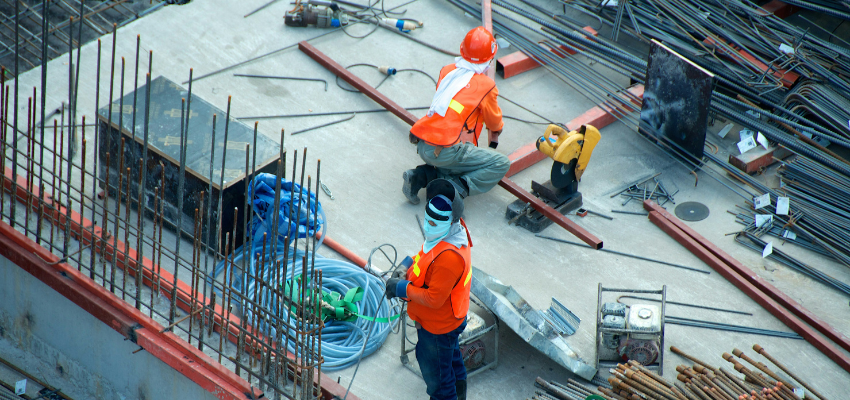
Steel's properties allow for more efficient construction processes, which is particularly important in modern architecture where time and precision are critical. Prefabrication is a significant advantage of steel construction; steel components can be manufactured off-site and then assembled quickly on-site. This not only speeds up the construction process but also reduces the likelihood of errors and accidents, as much of the work is done in a controlled environment.
The efficiency of steel construction also translates to cost savings. The reduced construction time and lower labour costs make steel an economical choice for many projects. Moreover, the precision of steel fabrication ensures that the final structure is of high quality, meeting the exact specifications required for modern architectural designs.
5. Aesthetic Appeal
Steel construction allows architects to push the boundaries of traditional design, offering a sleek, modern aesthetic that is highly sought after in contemporary architecture. The material's ability to support large windows and open spaces enhances natural light and creates an inviting atmosphere within buildings. This is particularly evident in modern commercial and residential buildings, where the use of steel allows for expansive glass facades that offer stunning views and abundant natural light.
Moreover, steel's industrial look has become a popular design trend in itself. The material's raw, unfinished appearance is often used to create a modern, minimalist aesthetic that is both functional and stylish. This aesthetic appeal is one of the reasons why steel remains a preferred material for architects around the world.
6. Fire Resistance
Safety is a paramount concern in construction, and steel offers significant advantages in this regard. Steel is non-combustible, meaning it does not contribute to the spread of fire. When properly treated with fire-resistant coatings, steel structures can maintain their integrity during a fire, providing occupants with more time to evacuate and reducing the risk of structural collapse.
This makes steel an excellent choice for buildings where fire safety is a priority, such as high-rise towers and industrial facilities.
Our Conclusion
Steel construction is ideal for modern architecture due to its unmatched strength, versatility, sustainability, efficiency, aesthetic appeal, and fire resistance. These qualities make steel an indispensable material in the construction of contemporary buildings, allowing architects to create innovative designs that are both beautiful and functional.
For more information on our steel construction services or to discuss how we can assist with your next project, feel free to contact us. Or Explore our wide range of services on our services page to see how we can help you achieve your construction goals.